
Understanding Structural Inspections: What Homeowners Need to Know
JK
Introduction to Structural Inspections
Structural inspections are a crucial part of home maintenance, ensuring the integrity and safety of your property. Whether you're buying a new home or maintaining your current one, understanding these inspections can save you time and money. In this post, we'll explore what structural inspections entail and why they're essential for homeowners.

What is a Structural Inspection?
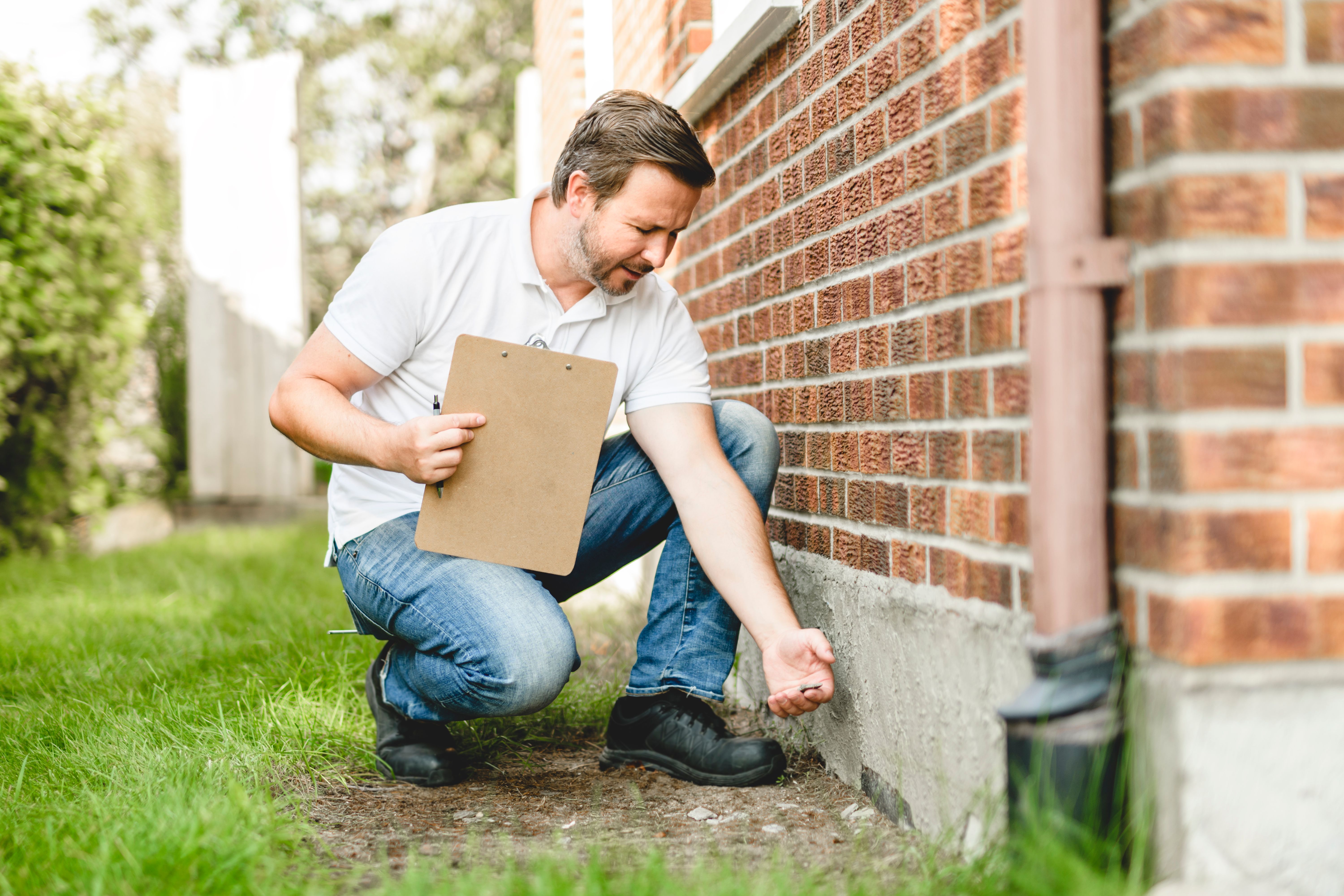
A structural inspection involves a detailed examination of a property's foundational and structural components. This includes the foundation, roof, walls, and other load-bearing elements. The goal is to identify any potential issues that could compromise the building's stability.
Key Components of a Structural Inspection
The main areas reviewed during a structural inspection include:
- Foundation: Inspecting for cracks, shifts, or signs of settling.
- Roof: Checking for leaks, sagging, or damaged materials.
- Walls and Beams: Looking for cracks, bulges, or any misalignment.
- Floors: Assessing for unevenness or unusual gaps.
Why Homeowners Need Structural Inspections
Regular structural inspections help homeowners identify potential issues early, preventing more significant problems in the future. These inspections can also provide peace of mind, knowing that your home is safe and sound. Additionally, they are often required for insurance purposes or before selling a property.
When to Schedule an Inspection
It's recommended to have a structural inspection under the following circumstances:
- Before purchasing a new home.
- After severe weather events like earthquakes or storms.
- When you notice signs of structural damage.
- As part of routine maintenance every few years.

Choosing a Qualified Structural Inspector
When selecting a structural inspector, ensure they have the necessary certifications and experience. Look for professionals who are part of reputable industry organizations and have positive customer reviews. A qualified inspector will provide a comprehensive report detailing their findings and recommendations.
Understanding Inspection Reports
After the inspection, you'll receive a report summarizing the condition of your home's structure. Pay close attention to any issues highlighted and follow up with recommended repairs or further evaluations. Addressing these findings promptly can prevent costly repairs down the line.

Conclusion
Understanding structural inspections is vital for maintaining the safety and value of your home. By staying informed and proactive, homeowners can ensure their property remains in excellent condition for years to come. Schedule regular inspections and consult with professionals to address any concerns promptly.