
Understanding Structural Engineer Calculations: A Homeowner's Guide
JK
Understanding Structural Engineer Calculations
As a homeowner, you might find yourself puzzled by the complex calculations provided by structural engineers. These calculations play a crucial role in ensuring the safety and stability of your home. Understanding them can empower you to make informed decisions about renovations, extensions, or new constructions.

The Role of Structural Engineers
Structural engineers are responsible for analyzing and designing the structure of buildings. They ensure that structures can withstand the forces of nature and human use. Their calculations are essential for determining the strength, stability, and durability of a building's framework.
These professionals use their expertise to assess factors such as load-bearing walls, beams, and foundations. By doing so, they help prevent potential failures that could lead to costly repairs or even dangerous situations.
Key Components of Calculations
When reviewing structural engineer calculations, you will encounter several key components. These typically include load calculations, material specifications, and design requirements. Load calculations consider the weight of the building and its contents, wind forces, and other environmental factors.
Material specifications indicate the type and quality of materials required to meet safety standards. Design requirements outline how these materials should be used to achieve the desired structural integrity.

Common Terminology in Calculations
Understanding the terminology used in structural calculations can make the process less daunting. Terms like dead load and live load are frequently used. Dead load refers to the permanent weight of the structure itself, while live load accounts for temporary forces like furniture and occupants.
Other terms include stress, strain, and deflection, which describe how materials respond to forces. Familiarizing yourself with these terms can help you better understand the calculations and their implications.
How to Interpret the Calculations
Interpreting structural engineer calculations might seem challenging at first, but breaking them down into smaller parts can help. Start by focusing on the key components and terminology. Then, consult with your engineer to clarify any doubts or questions.
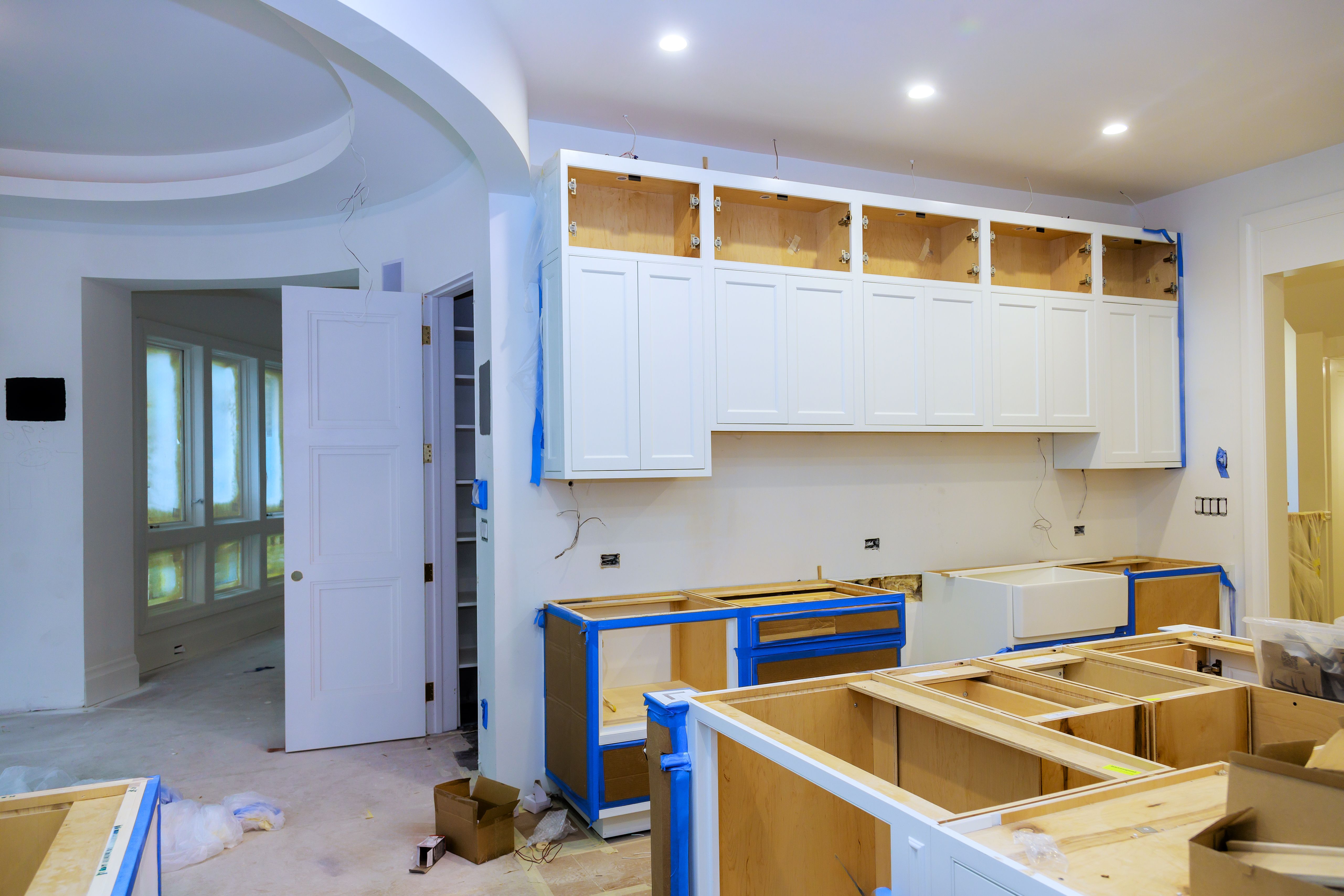
It's essential to keep in mind that these calculations are not just numbers. They represent critical safety measures that protect your home and its inhabitants. Being proactive in understanding them can prevent potential issues and ensure peace of mind.
Working with Your Structural Engineer
Effective communication with your structural engineer is vital. Don't hesitate to ask questions or request explanations for any part of the calculations you find confusing. A good engineer will be happy to guide you through the process and ensure you feel confident in the decisions being made.
Remember, the goal is to create a safe and sound structure that meets your needs. By collaborating closely with your engineer, you can achieve this goal and enjoy your home for years to come.