
Top 5 Myths About Structural Engineering Debunked by Experts
JK
Understanding Structural Engineering: Myths vs. Reality
Structural engineering is a field shrouded in mystery for many outside the profession. Misunderstandings often lead to myths that can skew perceptions. To shed light on the truth, we’ve consulted experts to debunk the top five myths about structural engineering.

Myth 1: Structural Engineers Only Work on Large Projects
Many people believe that structural engineers are only involved in massive projects like skyscrapers or bridges. While these are certainly within their scope, structural engineers also play a crucial role in smaller projects. They are involved in residential buildings, renovations, and even ensuring safety in temporary structures.
Structural engineers ensure that buildings of all sizes are safe and functional, addressing issues from foundation stability to wind resistance. Whether it’s a single-family home or a commercial complex, their expertise is invaluable.
Myth 2: Their Work Is All About Calculations
While calculations are a significant part of their work, structural engineers also focus on design and creativity. They collaborate with architects to create structures that are not only safe but also aesthetically pleasing. Their role is a blend of art and science, requiring innovative solutions to complex problems.
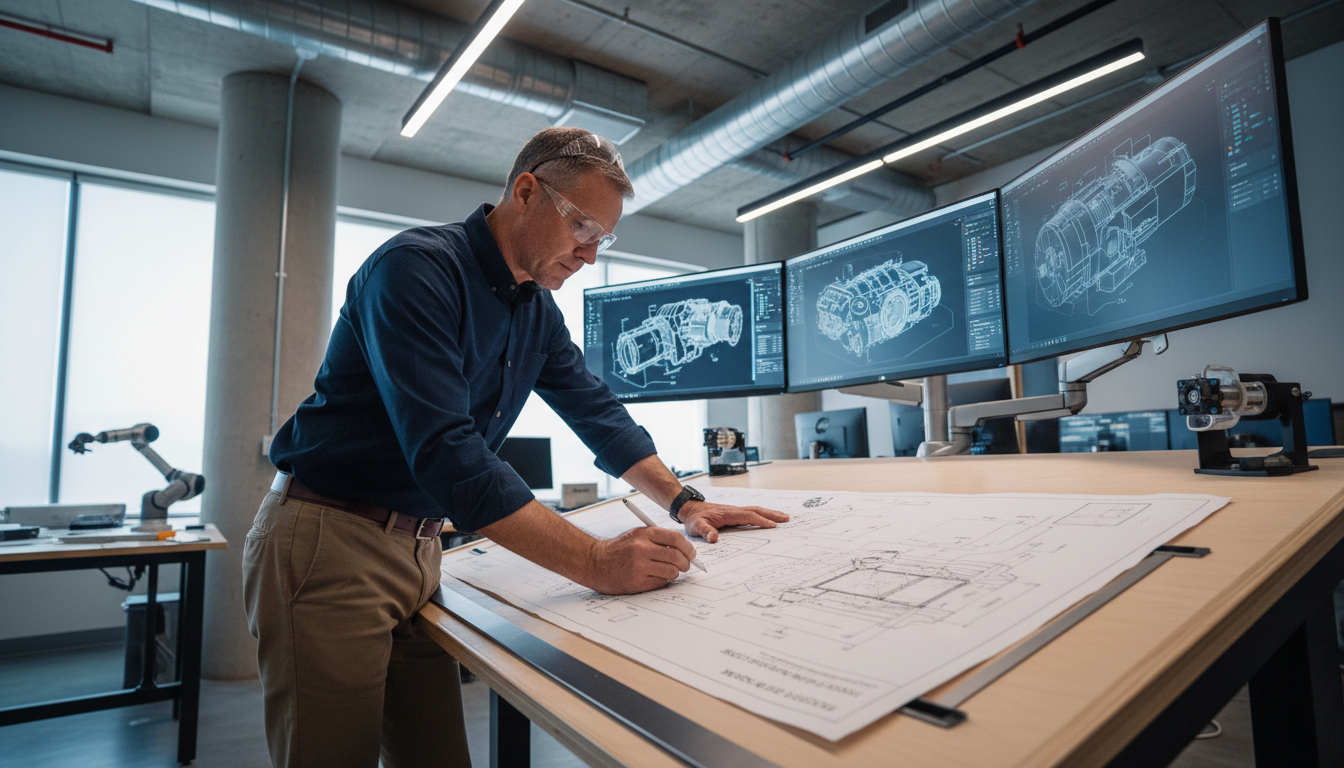
Moreover, structural engineers must consider environmental factors and sustainability, integrating eco-friendly materials and methods into their designs.
Myth 3: Structural Engineers Can Only Work with Concrete and Steel
Concrete and steel are often associated with structural engineering, but they are not the only materials used. Engineers frequently work with wood, masonry, and even advanced composites depending on the project requirements.
These professionals must understand the properties of various materials and how they interact within a structure to ensure safety and efficiency.

Myth 4: Structural Engineering Is a Narrow Field
Contrary to popular belief, structural engineering is a diverse field with numerous specializations. From seismic engineering and wind engineering to forensic and coastal engineering, professionals have opportunities to focus on areas that match their interests and skills.
This diversity allows engineers to work on a wide range of projects, each with unique challenges and learning experiences.
Myth 5: It’s All About Following Codes and Regulations
While adherence to building codes and regulations is crucial, structural engineering is far more than just compliance. Engineers must innovate and adapt to new technologies and materials. They often push the boundaries of what is possible, creating groundbreaking structures that redefine architectural limits.

In conclusion, structural engineering is a dynamic and essential field that extends far beyond the common myths. Understanding the reality of their work helps appreciate the vital role these professionals play in shaping the built environment.