
The Ultimate Guide to Home Inspections by Structural Engineers
JK
Understanding Home Inspections
Home inspections are a crucial step in the home buying process, providing potential homeowners with a clear picture of the property's condition. While many inspections cover basic elements like plumbing and electrical systems, a home inspection by a structural engineer dives deeper into the integrity and safety of the building's structure.
Structural engineers bring specialized expertise to assess the building's foundation, framing, and overall stability. Their insights can be invaluable, especially for older homes or properties showing signs of structural issues. Understanding what these inspections encompass can help you make informed decisions about your investment.

Why Hire a Structural Engineer?
Hiring a structural engineer for a home inspection can provide peace of mind. These professionals are trained to identify potential problems that could lead to costly repairs down the line. They evaluate the structural components that are often overlooked by general inspectors, ensuring that the property is safe and sound.
Common issues they assess include cracks in walls, uneven floors, and signs of water damage that may affect structural integrity. By identifying these issues early on, you can negotiate repairs with the seller or reconsider your purchase altogether.
The Inspection Process
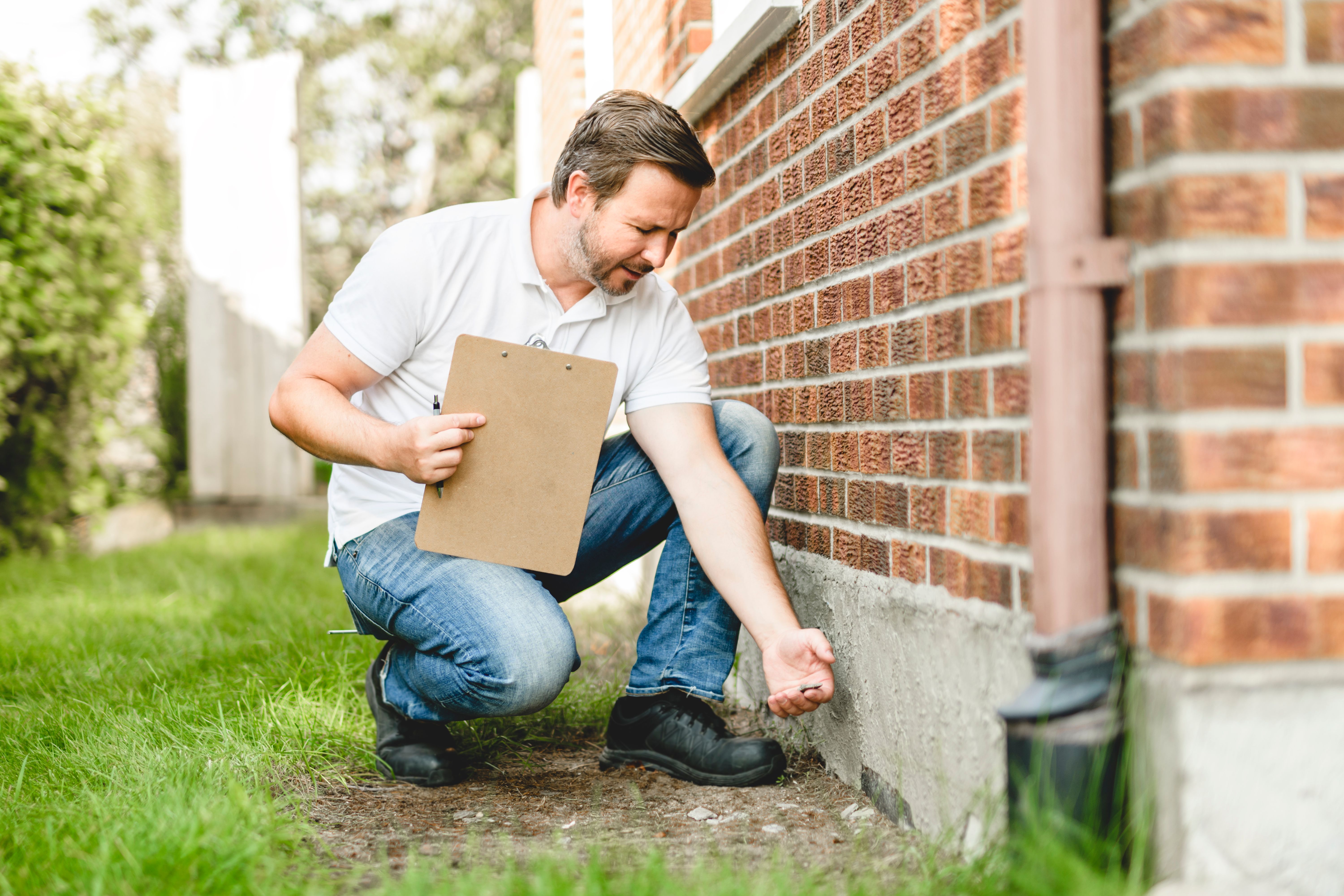
The process typically begins with a visual assessment of the home's exterior and interior. The structural engineer will look for visible signs of distress, such as leaning walls or sagging roofs. They may also recommend additional testing if they suspect hidden issues.
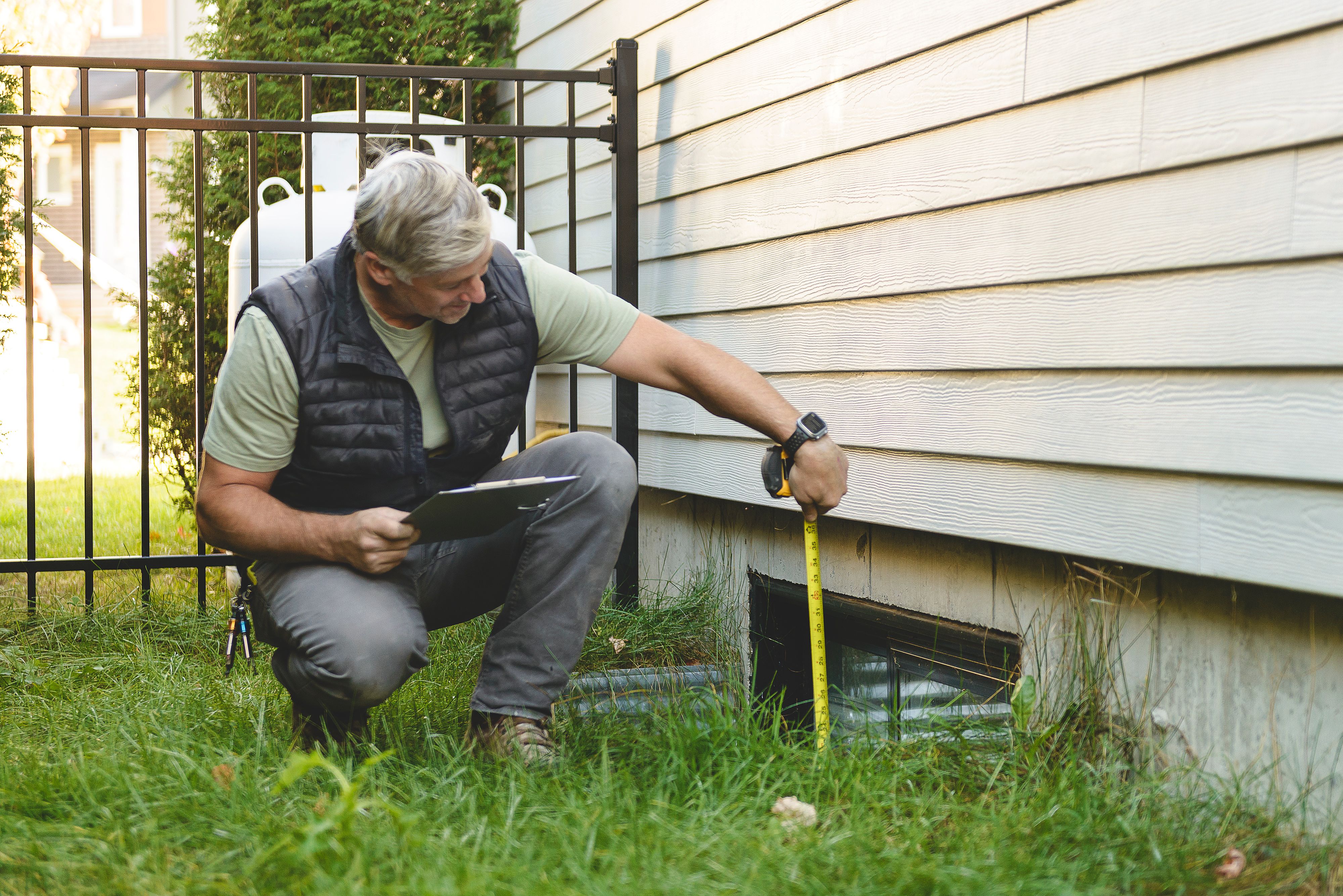
Structural engineers often use tools like levels and laser measures to ensure precise assessments. After the inspection, they provide a detailed report outlining their findings, potential concerns, and recommended actions.
What to Expect in the Report
The inspection report from a structural engineer is comprehensive, detailing each area inspected and any issues found. It includes observations about the building's foundation, load-bearing walls, roof structure, and more. The report also provides recommendations for repairs or further investigation if needed.
Understanding the report is crucial for making informed decisions about potential repairs or negotiations with the seller. This document can help prioritize necessary fixes and assess the overall risk of proceeding with the purchase.
Preparing for a Structural Inspection
Before scheduling a structural inspection, it's wise to ensure the property is accessible for a thorough evaluation. Clear any clutter that might obstruct the engineer's view of critical areas like basements and attics. Providing previous inspection reports or repair records can also be beneficial.
Understanding the scope of the inspection and discussing specific concerns with the engineer beforehand can lead to more focused and effective assessments.

Cost Considerations
The cost of hiring a structural engineer varies based on the property's size and location, as well as the complexity of the inspection. While it may seem like an added expense, investing in a professional assessment can save you from unforeseen repair costs in the future.
Consider the potential savings from identifying major issues early on versus the price of repairs after purchase. In many cases, the upfront cost is a worthwhile investment in your future home.
Final Thoughts
Home inspections by structural engineers provide an invaluable layer of security for prospective homeowners. By ensuring the structural integrity of a property, buyers can proceed with confidence, knowing they are making a sound investment. Whether it's a new build or an older home, the expertise of a structural engineer can make all the difference.
Remember, a thorough inspection today can prevent costly repairs tomorrow. Prioritize safety and stability when considering your next home purchase.