
The Essential Guide to Removing Load-Bearing Walls Safely
JK
Understanding Load-Bearing Walls
When planning a home renovation, removing a load-bearing wall can open up space and create a more modern, open-concept layout. However, it's crucial to understand that these walls support the structure of your home, distributing weight from the roof and upper floors down to the foundation. Improper removal can result in serious structural damage.
Identifying a Load-Bearing Wall
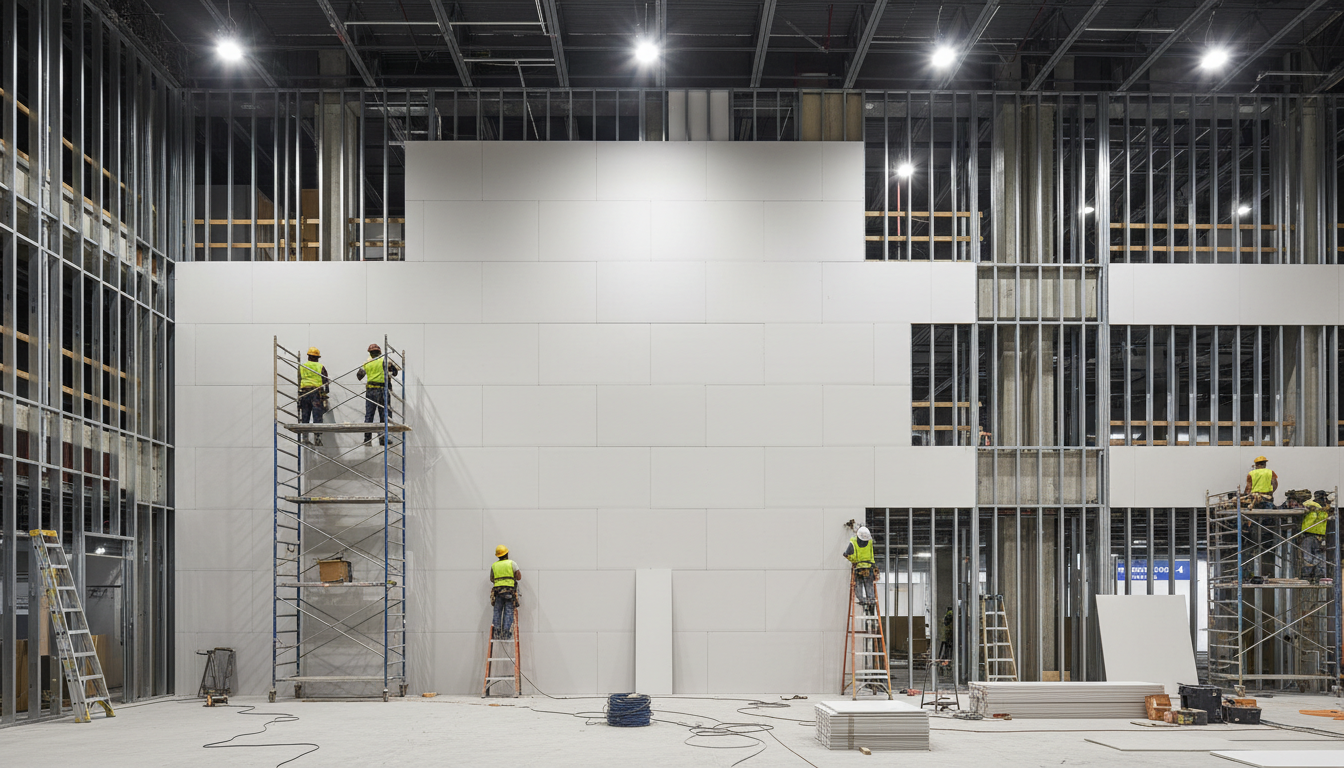
Before you begin, it's important to determine whether a wall is load-bearing. Typically, walls that run perpendicular to floor joists are load-bearing, while those that run parallel are not. It's advisable to consult your home's blueprints or hire a professional to confirm. Never assume a wall is non-load-bearing without proper verification.
Preparing for Wall Removal
Once you've confirmed that a wall is load-bearing, the next step is to plan for its safe removal. This involves obtaining necessary permits, consulting with a structural engineer, and developing a plan for temporary support structures, such as beams or columns.
Hiring Professionals
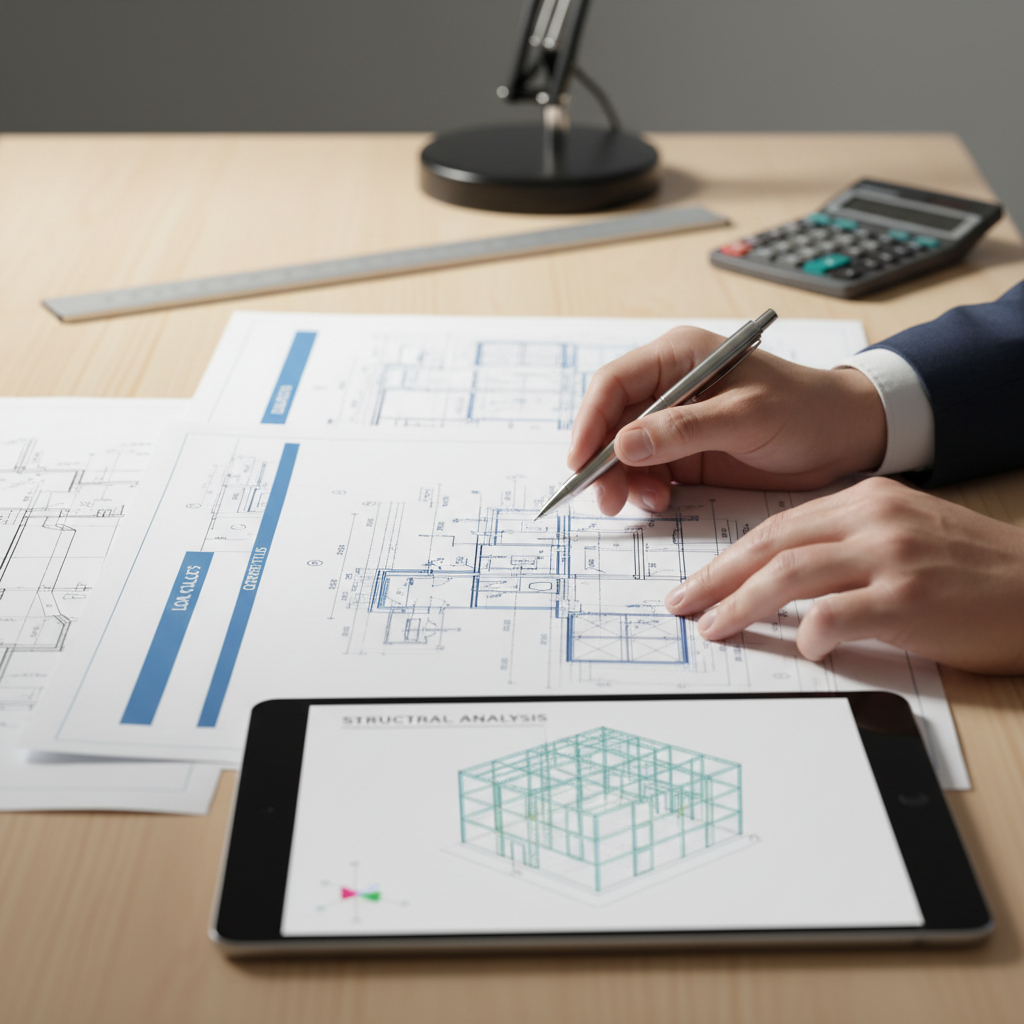
Removing a load-bearing wall is not a DIY project. You'll need to hire experienced professionals, including a contractor and possibly an architect or engineer, to ensure the job is done safely. Their expertise will help in creating a plan that maintains your home's structural integrity.
Implementing Temporary Support
Before removing the wall, temporary supports need to be installed. These supports will hold the weight while the load-bearing wall is taken down and a permanent support beam is put in place. This step is critical to prevent any structural issues during the removal process.
Choosing the Right Support Beam
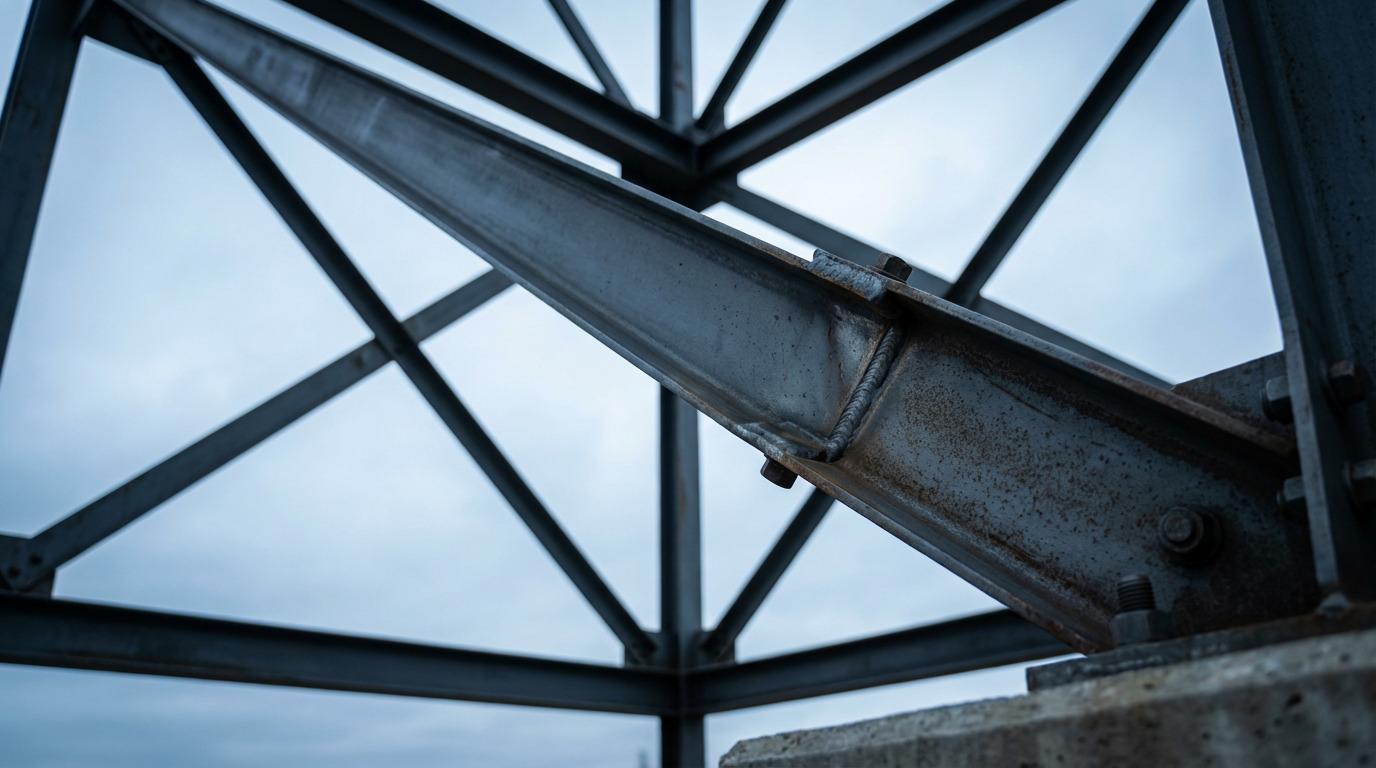
Once the wall is removed, a permanent support beam must be installed. The type of beam will depend on the span it needs to cover and the load it must support. Options include steel beams, laminated veneer lumber (LVL), and other engineered wood products. Consulting with your contractor will help you choose the best option for your home.
Finishing Touches
After the new support beam is installed, it's time to focus on finishing touches. This includes patching up the ceiling, floor, and walls, as well as painting and decorating. Ensure all work is up to code and inspected as required by local regulations.
Removing a load-bearing wall can dramatically transform your living space, but it requires careful planning and execution. By following these guidelines and working with qualified professionals, you can ensure a safe and successful renovation.