
How to Read a Structural Engineer Report: A Step-by-Step Guide
JK
Understanding the Basics
When you first receive a structural engineer report, it might seem overwhelming due to its technical nature. However, understanding the basics can help you make sense of the information. Typically, these reports include details about the condition of a building’s structure, identifying potential issues and suggesting necessary repairs. It's essential to know what to look for and how to interpret the findings.

Sections of the Report
A structural engineer report is usually divided into several sections. Familiarizing yourself with these can help you navigate the document more effectively. Common sections include:
- Introduction: An overview of the property and the purpose of the inspection.
- Methodology: Details on how the inspection was conducted.
- Findings: The main body of the report, outlining any issues discovered.
- Recommendations: Suggested actions to address any problems.
- Conclusion: A summary of the overall structural integrity.
Reading the Findings
The findings section is crucial as it highlights the structural issues that need attention. Pay close attention to any terms that indicate severity, such as "critical" or "structurally unsound." This section might include diagrams or photographs to illustrate the issues. Understanding the technical language here can be challenging, so don't hesitate to consult a professional if needed.

Interpreting Technical Terms
Structural engineer reports often use technical jargon that may be unfamiliar. Terms like "load-bearing walls," "foundation settlement," and "shear stress" are common. Familiarizing yourself with these can aid in comprehension. If the report includes a glossary, use it to decode these terms. Alternatively, online resources or a quick call to your engineer can provide clarity.
Analyzing the Recommendations
The recommendations section provides guidance on how to address the issues identified. These suggestions can range from simple repairs to major renovations. Assess the feasibility and urgency of these recommendations based on your budget and timeline. It’s advisable to prioritize actions labeled as urgent to prevent further damage.
Consulting with Professionals
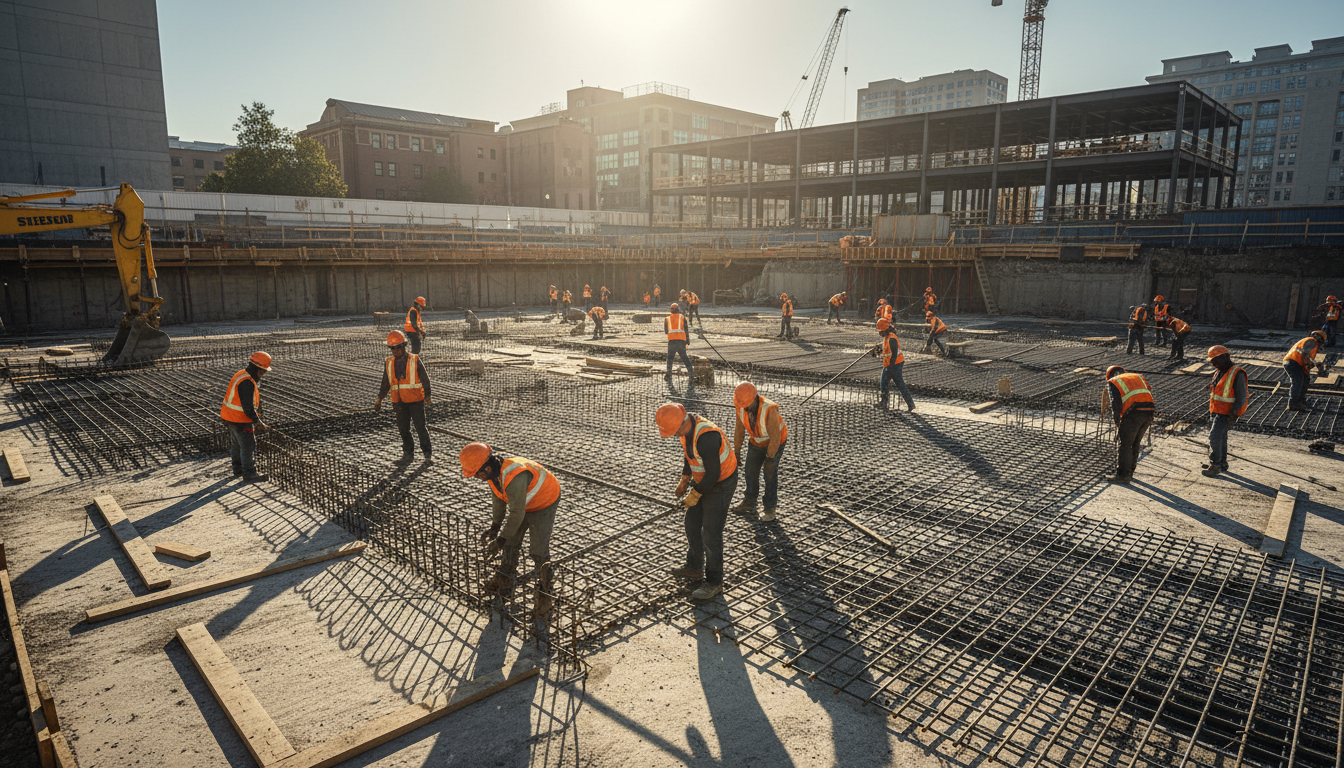
Once you've reviewed the report, consulting with a construction professional can be beneficial. They can help you understand the practicality and cost implications of the suggested repairs. Additionally, they may offer alternative solutions that align with your needs and resources.
Final Steps
After thoroughly reviewing the report and consulting with experts, it's time to decide on the next steps. Create a plan of action, prioritize tasks, and establish a timeline for repairs. Ensure you have a clear understanding of the potential impact of any delays on your property’s structural integrity.
By following this step-by-step guide, you can confidently navigate a structural engineer report, making informed decisions to maintain or improve your property’s condition.