
How to Prepare Your Home for Seasonal Weather Changes: An Engineering Perspective
JK
As the seasons change, so do the demands on your home. Preparing your home for seasonal weather changes requires an engineering perspective to ensure that everything runs smoothly and efficiently. By focusing on structural integrity, energy efficiency, and maintenance, you can protect your home and increase its longevity.
Assessing Structural Integrity
The first step in preparing your home is to assess its structural integrity. This involves checking for any weaknesses or damage that could be exacerbated by seasonal changes. Look for cracks in the foundation, walls, and ceilings, as these can indicate underlying issues.
Ensure that your roof is in good condition. A well-maintained roof will protect your home from rain, snow, and wind. Check for loose or missing shingles and repair them promptly. Additionally, inspect your gutters to ensure they are free of debris, allowing water to flow away from your home effectively.
Reinforcing Windows and Doors
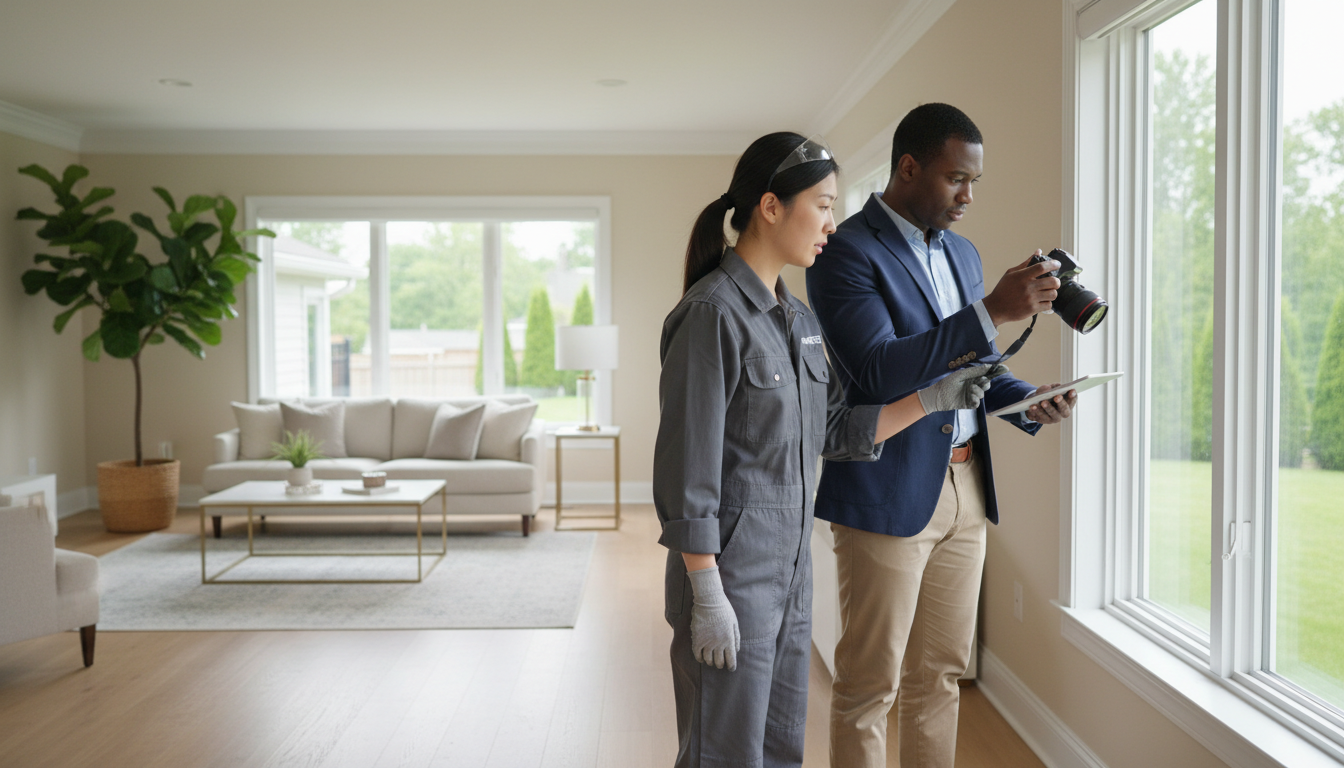
Windows and doors are key areas where energy loss can occur. Make sure they are properly sealed to prevent drafts. Installing storm windows or using weatherstripping can significantly improve energy efficiency. Double-glazed windows are another excellent option, providing better insulation against temperature changes.
Consider installing door sweeps to eliminate gaps under doors. This simple step can make a big difference in maintaining a consistent indoor temperature, regardless of the weather outside.
Optimizing Energy Efficiency
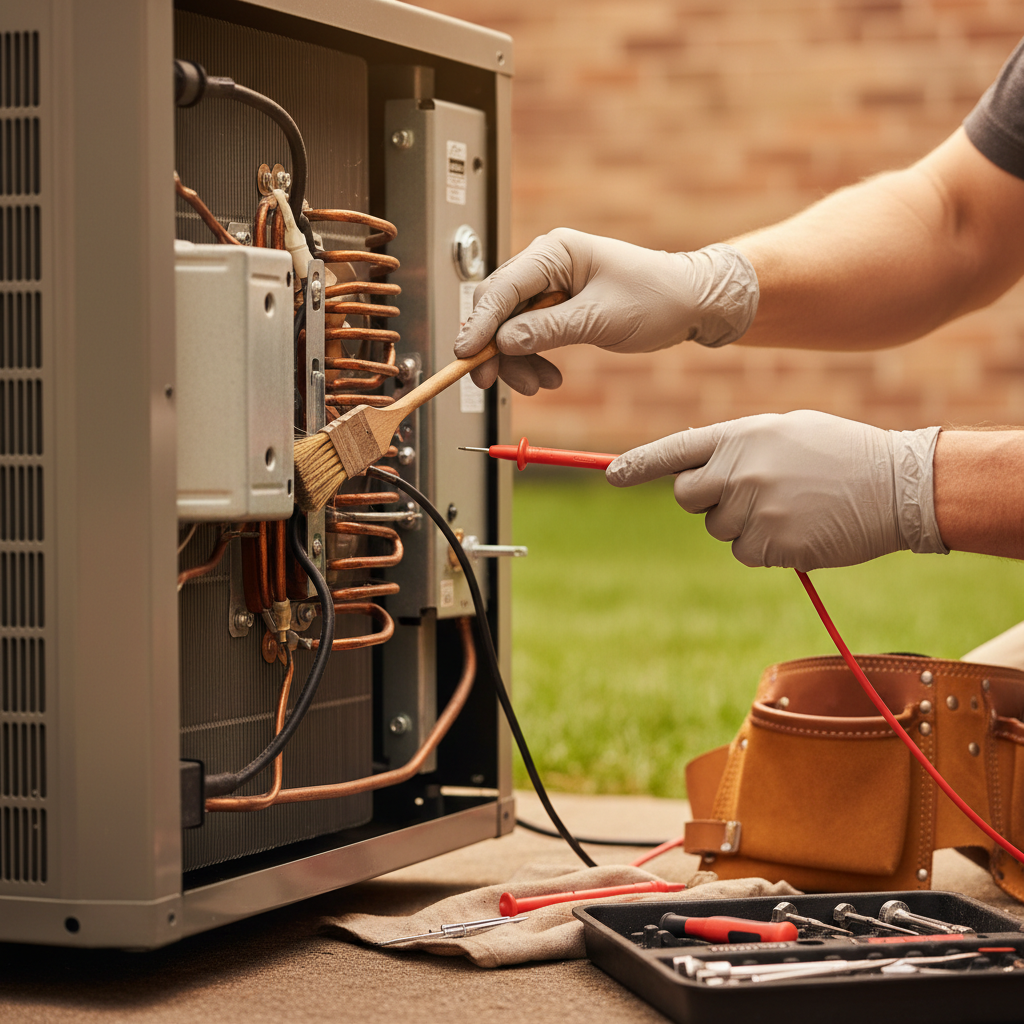
As temperatures fluctuate, your heating and cooling systems will be working overtime. Ensure your HVAC system is running efficiently by scheduling regular maintenance. Replace air filters frequently to keep the system operating smoothly.
Insulating Your Home
Insulation is crucial in maintaining a comfortable indoor environment. Check your attic, walls, and floors for adequate insulation. Adding insulation can reduce energy costs and improve comfort. Pay attention to areas like the attic and basement, where heat loss is most common.
Using smart thermostats can also optimize your energy usage. These devices learn your schedule and adjust temperatures accordingly, ensuring efficiency and comfort.
Maintaining Outdoor Areas
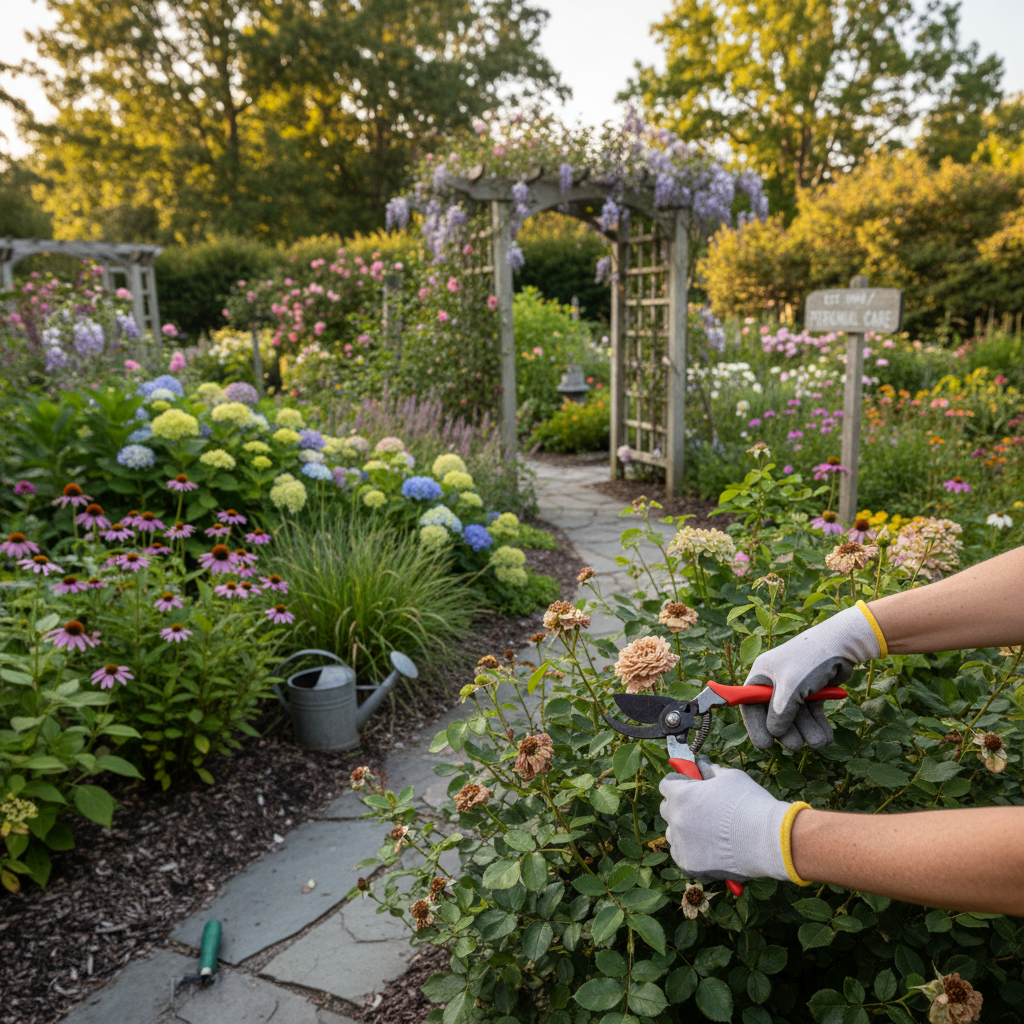
Your home's exterior also needs attention. Trim trees and shrubs to prevent them from causing damage during storms or heavy snow. Regularly inspect and repair any cracks in driveways or walkways to prevent further deterioration.
Preparing for Extreme Weather
Depending on your location, you may need to prepare for extreme weather conditions like hurricanes, tornadoes, or heavy snow. Have an emergency kit ready, including essentials like water, non-perishable food, and a first-aid kit.
Consider installing a backup generator to ensure power during outages. This can be especially important in areas prone to severe weather, where power can be disrupted for extended periods.
By taking these steps from an engineering perspective, you can prepare your home for the challenges of seasonal weather changes, ensuring safety, comfort, and efficiency all year round.