
How to Identify and Address Subsidence Issues in Your Home
JK
Understanding Subsidence
Subsidence is a serious issue that affects many homeowners. It occurs when the ground beneath a building starts to sink, causing structural damage. Recognizing the signs early can save you time and money. Common indicators include cracks in walls, doors, and windows that stick, and uneven floors.
These symptoms often result from changes in soil moisture levels, particularly in clay-rich areas. The soil can shrink during dry spells or expand when wet, leading to instability. Additionally, subsidence might be caused by leaking drains or water mains, which wash away the supporting soil.
Identifying Signs of Subsidence
It's crucial to differentiate between subsidence and other structural issues. Look for cracks that are more than 3mm wide, typically around doors and windows. These cracks might be diagonal and often appear suddenly. Other signs include wallpaper ripping not due to dampness, and gaps forming between walls and ceilings.
Monitoring these signs over time is essential. If they worsen, it may indicate an ongoing problem. Using a measuring tape or specialized monitoring equipment can help track changes accurately.
Addressing Subsidence Issues
Once you suspect subsidence, it’s important to act quickly. Contact a structural engineer to conduct a thorough assessment. They will examine the property and determine the cause and extent of the damage.
Repair Options
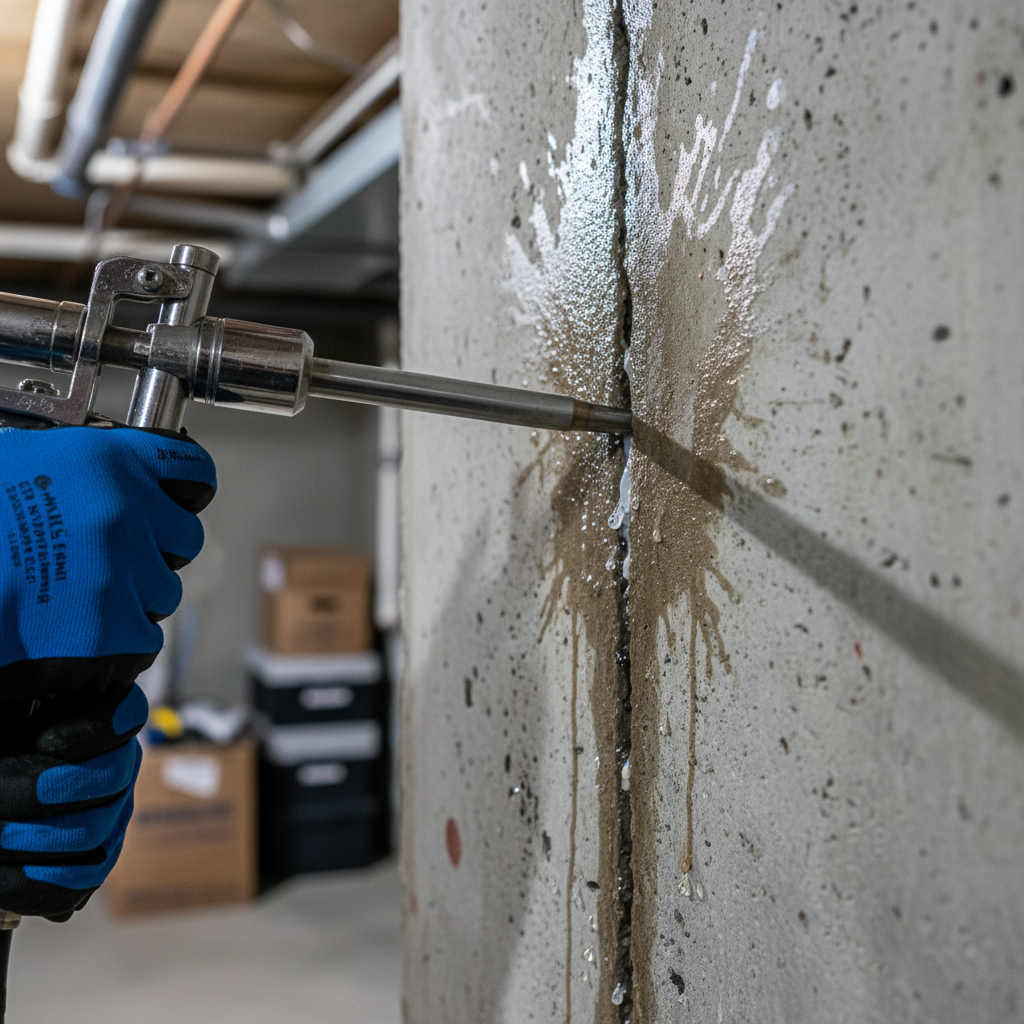
Depending on the severity, several repair options are available. For minor cases, repairing leaks in pipes or improving drainage may be sufficient. However, more extensive damage might require underpinning and/or resin-injection, which involves strengthening the foundation and sub-soil.
Underpinning and resin-injection is a significant process and should be undertaken by professionals. It’s essential to get multiple quotes and ensure the chosen contractor is experienced and reputable.
Preventing Future Subsidence
Prevention is key to avoiding future subsidence issues. Regular maintenance of gutters, pipes, and drainage systems helps prevent water accumulation around the foundation. Plant trees and shrubs away from the house, and choose vegetation with less aggressive root systems.
Insurance Considerations
Ensure your home insurance covers subsidence. Some policies might not include it, or they may have specific conditions. Understanding your coverage will help you manage unexpected repair costs. It might be worthwhile to consult with your insurance provider for clarity.
By staying informed and proactive, you can protect your home from the damaging effects of subsidence. Early detection and appropriate action are the best defenses against this potentially costly issue.