
Expert Tips for Choosing the Right Foundations for Your Building Project
JK
Understanding the Importance of Foundations
Foundations are the backbone of any building project, providing stability and support to the entire structure. Choosing the right foundation is crucial to ensure the longevity and safety of the building. Whether you're constructing a residential home or a commercial building, the foundation must be tailored to the specific needs of the project.
Assessing Soil Conditions
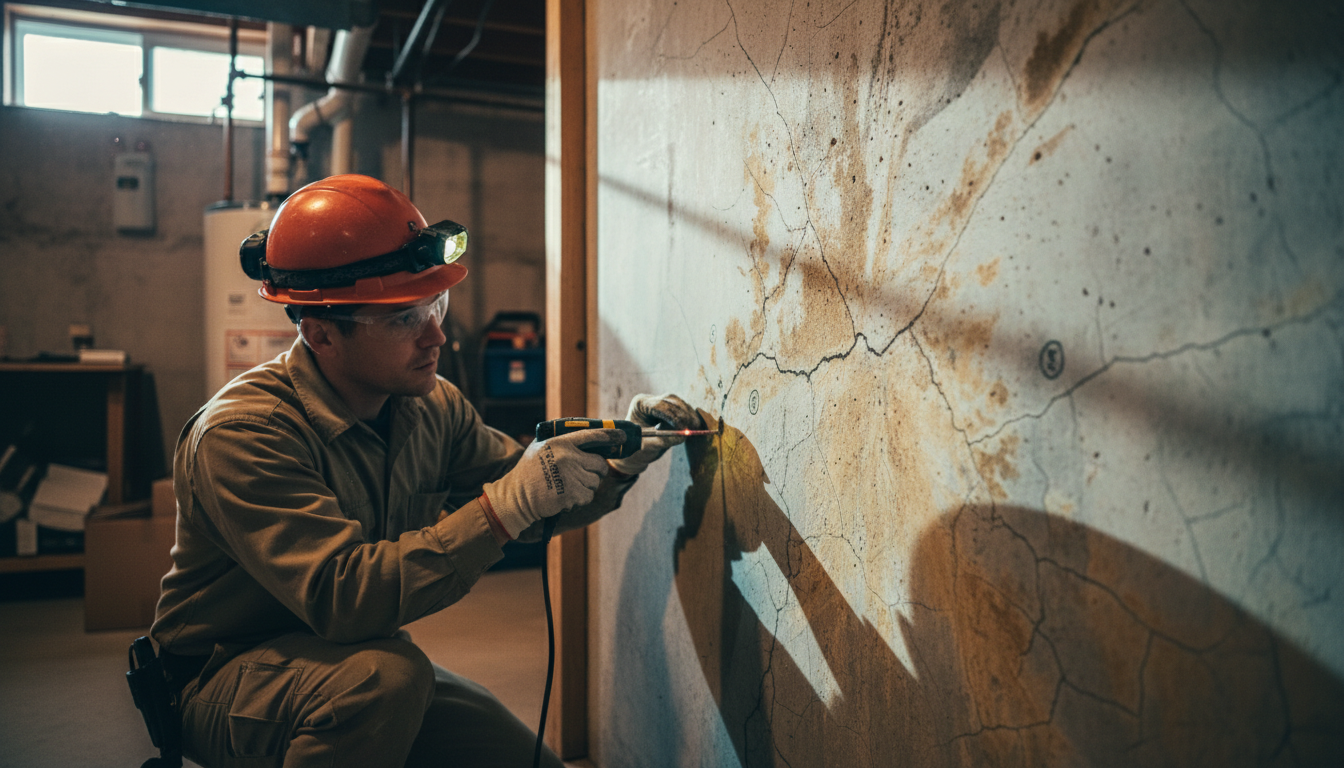
One of the first steps in selecting the appropriate foundation is to assess the soil conditions at the construction site. Soil types can vary significantly, affecting the foundation's performance. Conducting a soil test will help determine the bearing capacity and identify any potential issues like soil erosion or waterlogging.
Types of Soil Tests
There are several types of soil tests that can be conducted, including:
- Standard Penetration Test (SPT): Measures the resistance of soil to penetration.
- Plate Load Test: Determines the ultimate bearing capacity of the soil.
- Soil Shear Test: Assesses the shearing strength of the soil.
Types of Foundations
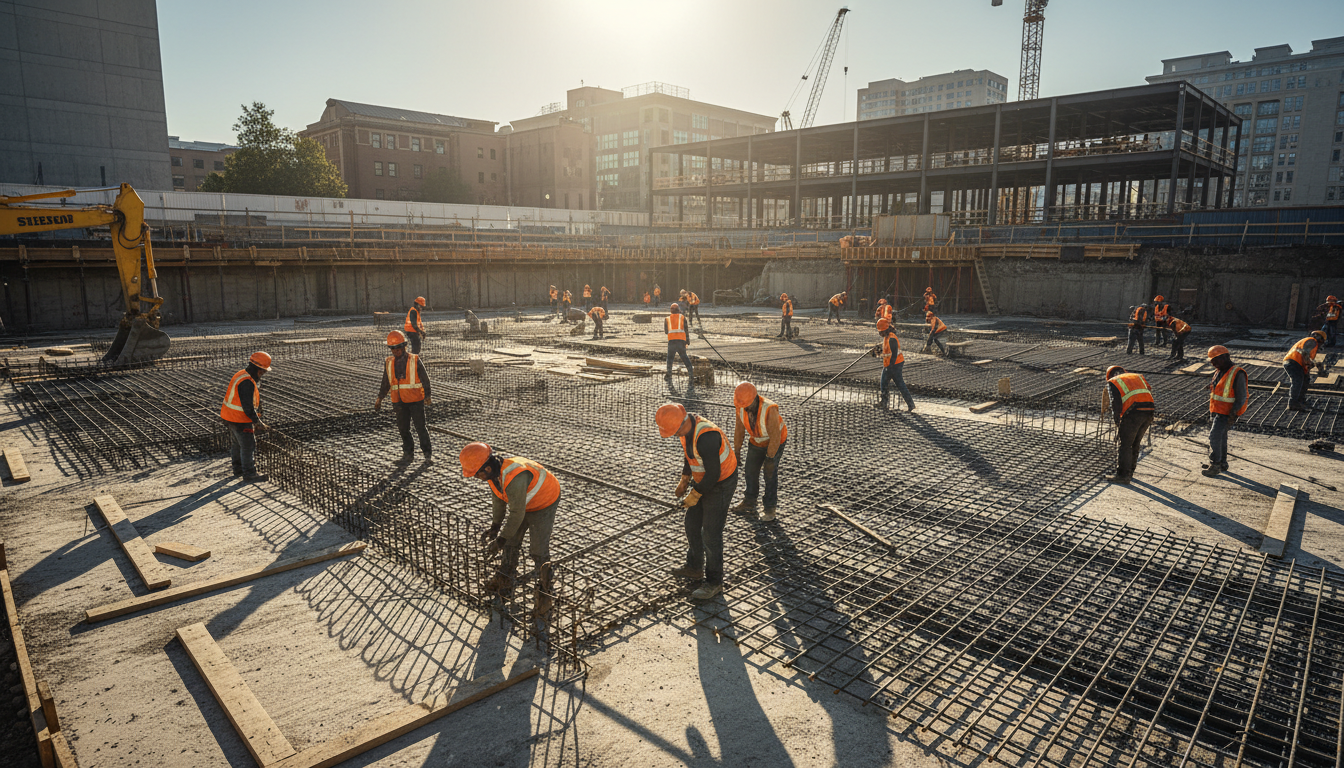
Once the soil conditions are understood, you can choose from various types of foundations. The selection will depend on factors like the load of the building, soil conditions, and budget constraints.
Shallow Foundations
Shallow foundations are typically used for smaller structures and are placed near the surface of the ground. They include:
- Strip Foundations: Commonly used for load-bearing walls.
- Pad Foundations: Ideal for supporting individual points like columns.
- Raft Foundations: Used when load-bearing capacity is low.
Deep Foundations
For larger structures or when the soil near the surface is not suitable, deep foundations are preferred. These include:
- Pile Foundations: Long, slender columns driven deep into the ground.
- Drilled Shafts: Cast-in-place foundations suitable for heavy loads.

Cost Considerations
The cost of foundations can vary widely based on the type and depth of the foundation required. It's essential to balance the cost with the structural requirements and long-term performance. Investing in a suitable foundation can save money on repairs and maintenance in the future.
Consulting with Professionals
Finally, consulting with structural engineers and construction professionals can provide valuable insights and recommendations tailored to your specific project. Their expertise can help avoid costly mistakes and ensure the project meets all safety and regulatory standards.
In conclusion, selecting the right foundation is a critical aspect of any building project. By understanding soil conditions, evaluating different foundation types, and consulting with experts, you can ensure a strong and durable foundation for your building.