Common Structural Issues in Older Homes and How to Address Them
JK
Identifying Common Structural Issues
Older homes often come with a unique charm and character, but they can also harbor structural issues that require attention. Understanding these common problems is crucial for maintaining the integrity of your home. Some issues may be cosmetic, while others can significantly impact the home's safety and value.
Foundation Problems
The foundation is the backbone of any structure. Over time, older homes may experience foundation problems due to settling, poor construction, or natural soil shifts. Look for signs such as cracks in the walls, uneven floors, or doors that don't close properly. Addressing foundation issues early can prevent further damage.
Solutions to foundation problems may include:
- Professional inspection and assessment
- Installing piers or underpinning to stabilize the foundation
- Improving drainage around the property
Dealing with Roof Damage
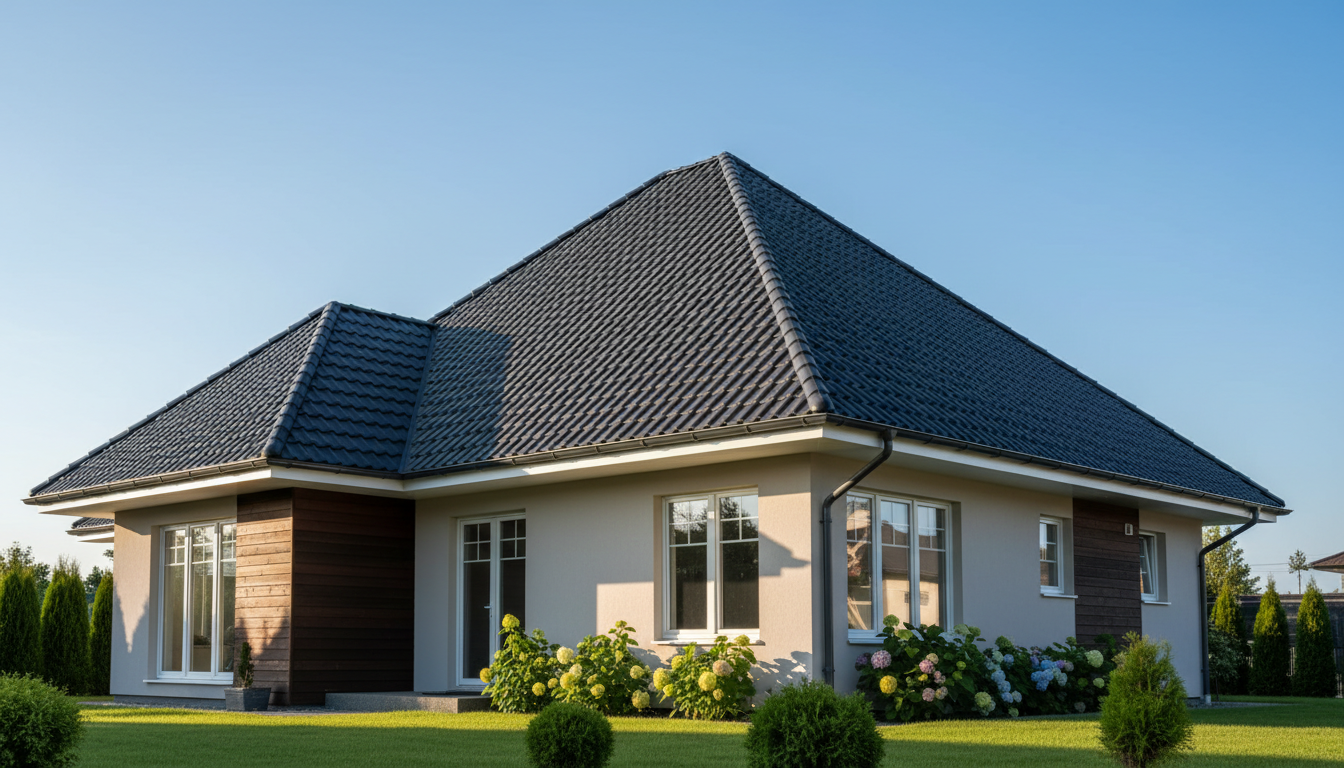
Roofs in older homes can suffer from wear and tear over the years. Common issues include missing shingles, leaks, and damaged flashing. Regular inspections can help identify problems before they escalate into costly repairs.
Repairing or Replacing the Roof
Depending on the extent of the damage, you may need to repair or replace the roof. Consider the following steps:
- Inspect for damaged or missing shingles
- Check for leaks and water stains
- Consult a roofing professional to evaluate repair or replacement options
Handling Plumbing Concerns
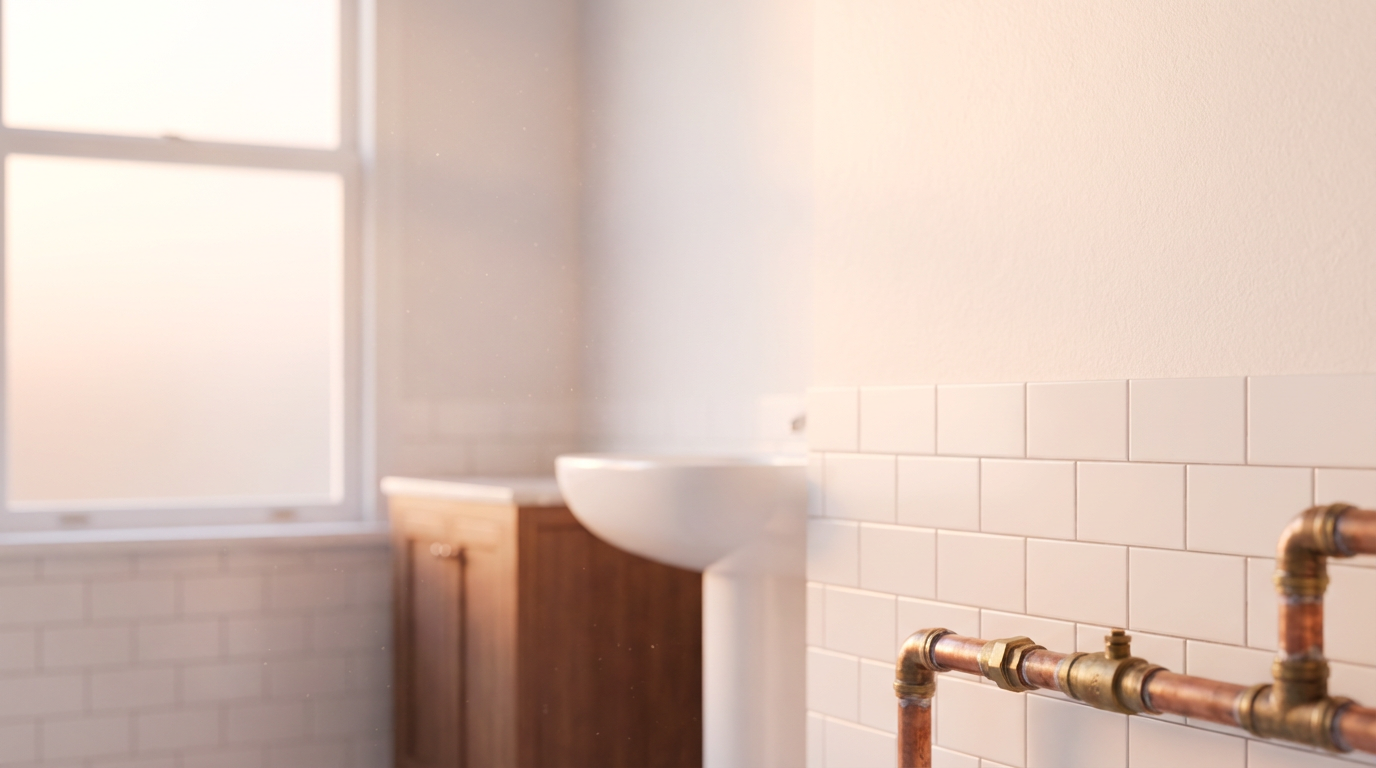
Plumbing in older homes can be a source of frustration, often due to outdated materials like galvanized pipes. These pipes are prone to rust and corrosion, leading to leaks and water pressure issues.
Upgrading Plumbing Systems
Consider these actions to address plumbing issues:
- Replace old pipes with modern materials such as PVC or PEX
- Regularly check for leaks and repair them promptly
- Consult a plumber for a comprehensive evaluation and upgrade plan
Electrical System Updates
Older homes often have outdated electrical systems that may not meet modern safety standards. This can lead to potential hazards such as electrical fires or power outages.
Updating the electrical system is crucial for safety and efficiency:
- Ensure the wiring meets current codes and regulations
- Install modern circuit breakers and outlets
- Consider upgrading the electrical panel to handle increased power demands
Conclusion
While older homes come with their share of challenges, addressing common structural issues can preserve their charm and increase their value. Regular maintenance and timely upgrades are key to ensuring your home remains safe and comfortable for years to come.