
Common Misconceptions About Load-Bearing Walls: What You Need to Know
JK
Understanding Load-Bearing Walls
When it comes to home renovations, especially those involving structural changes, understanding load-bearing walls is crucial. Many homeowners have misconceptions about these walls, which can lead to costly mistakes. A load-bearing wall is responsible for supporting the weight of the structure above it, including the roof and upper floors.
Misconception #1: All Walls Are Load-Bearing
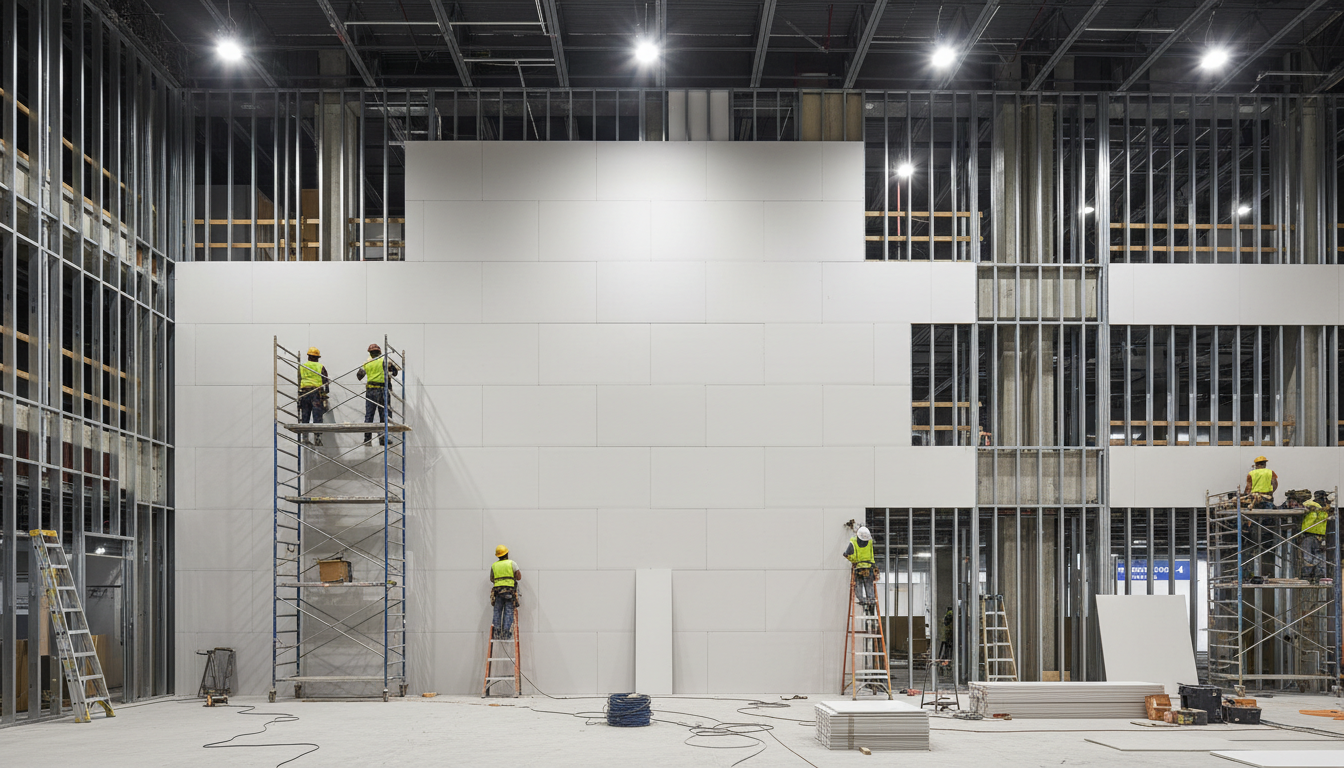
A common belief is that every wall in a house is load-bearing. This is not true. While load-bearing walls are critical to the structural integrity of a building, not every wall serves this purpose. Some walls are purely for partitioning spaces and have no structural role. Identifying which walls are load-bearing is essential before making any changes to your home.
Misconception #2: Removing a Load-Bearing Wall Is Easy
Some homeowners think removing a load-bearing wall is a simple task. However, removing such a wall without proper support can lead to severe structural damage. It's crucial to consult with a structural engineer or a qualified contractor to ensure that any modifications are safely executed.

Signs of a Load-Bearing Wall
Identifying a load-bearing wall can be tricky, but there are some signs to look out for:
- Walls located directly above or below other walls.
- Walls that run perpendicular to floor joists.
- Walls that have large beams or columns nearby.
While these signs can help, it's always best to get a professional assessment.
Misconception #3: Load-Bearing Walls Can’t Be Altered
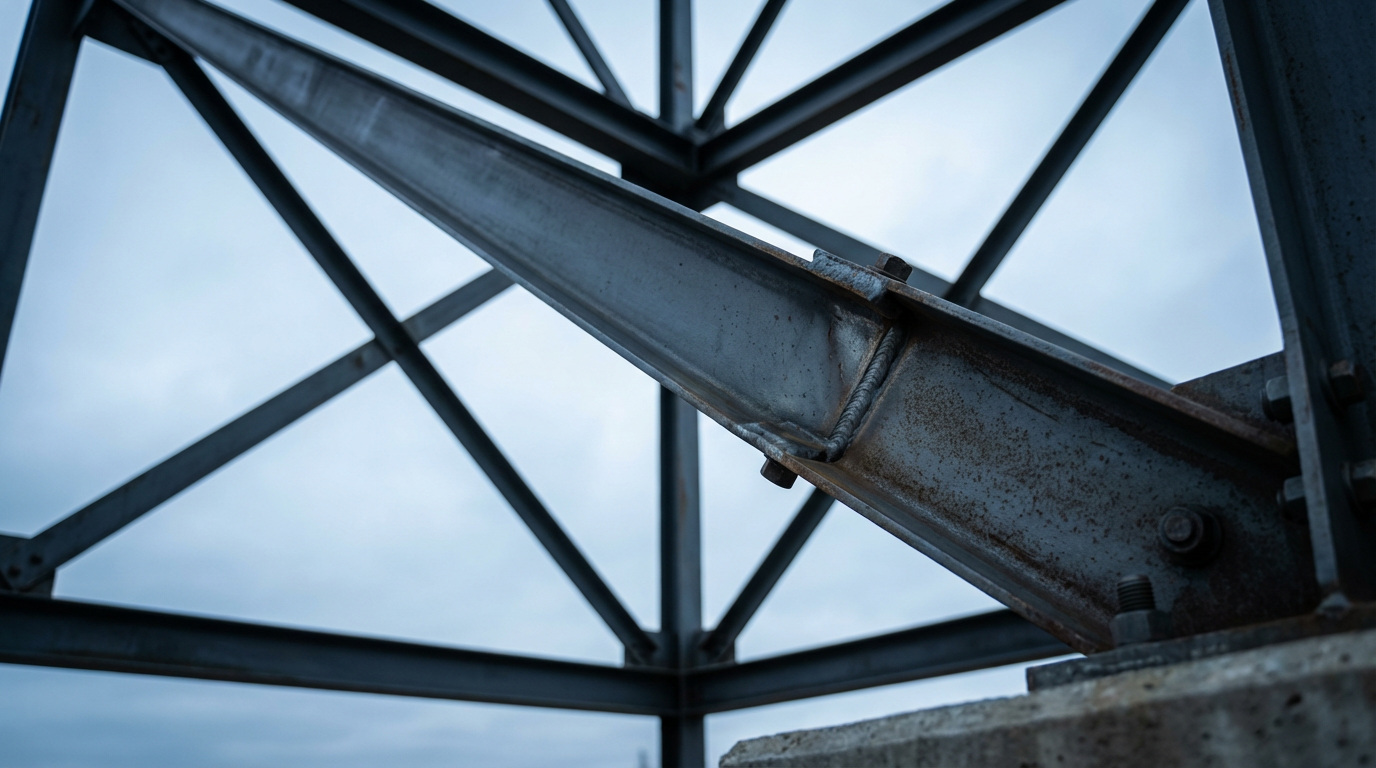
Another misconception is that load-bearing walls cannot be altered. While it's true that they play a critical role, modifications are possible with the proper support systems in place. This might involve installing a beam or column to redistribute the load safely.
The Role of Professionals
When dealing with load-bearing walls, hiring professionals is not just advisable but necessary. Structural engineers and experienced contractors can provide the expertise required to carry out modifications safely. They will ensure compliance with building codes and prevent potential structural failures.
Misconception #4: DIY Methods Are Safe for Load-Bearing Walls
Many DIY enthusiasts believe they can tackle load-bearing wall projects on their own. However, without proper knowledge and tools, this can lead to dangerous outcomes. Always prioritize safety and professional guidance when dealing with structural changes.
Conclusion: Prioritize Safety and Expertise
Understanding the facts about load-bearing walls is essential for any homeowner considering renovations. By dispelling common misconceptions, you can approach your projects with confidence and ensure the safety and integrity of your home. Always remember to consult with professionals to avoid costly and dangerous mistakes.